
Estimated Reading Time: 6 to 7 minutes
Table of Contents:
- Why East Haven Sees So Many Slip & Falls
- Wet & Slippery Floors, Especially at Entrances
- Ice & Snow
- Uneven Pavement, Cracks, Potholes, & Shifting Concrete
- Poor Lighting in Lots, Stairwells, & Walkways
- Clutter & Obstructions That Create Trip Hazards
Slip and falls in East Haven rarely feel like “accidents” in hindsight. Most come from predictable conditions: tracked-in rain at entrances, black ice after a daytime thaw, potholes and lifted concrete, poor lighting in parking lots, and everyday clutter that turns a walkway into a trip hazard.
A few practical habits can cut the risk, including watching for surface changes, using handrails, and wearing footwear that fits the weather. Businesses and landlords reduce injuries by treating maintenance as routine, not reactive.
Why East Haven Sees So Many Slip & Falls
East Haven’s winter weather and busy shopping areas make slips and trips more likely. Shoreline temperatures often bounce between wet and freezing, which can turn slush into ice within hours. Freeze-thaw cycles can leave slick patches long after a storm ends, especially near curbs, shaded sidewalks, and parking lot edges where meltwater collects.
Everyday routines add to the risk. People rush into stores, carry bags out to their cars, and cut across parking lots to save time. Familiar places can make people less cautious, and that’s often when a fall happens.
1) Wet & Slippery Floors, Especially at Entrances
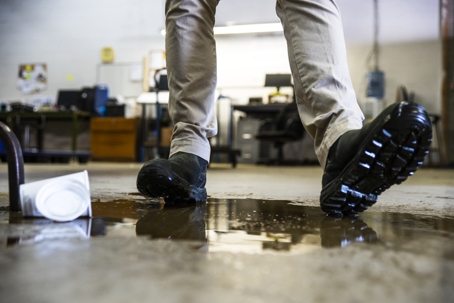
Wet floors are one of the most common causes of slip and fall accidents because they show up in areas with heavy foot traffic. Rain and snow get tracked inside, then spread quickly across tile or polished flooring. Grocery stores and restaurants also deal with leaks, misters, and spills that can create slick spots in seconds.
Avoiding these falls often means treating entrances like hazard zones. Slow down when stepping off mats onto bare floors, watch for puddles near coolers and produce displays, and choose shoes with real tread during the winter. A quick glance down before the next step can prevent weeks or months of recovery.
Business owners can reduce risk by sticking to a simple routine and acting quickly. Mats should be large enough for more than one step and secured so they don’t bunch or slide. Spills should be cleaned quickly, warning signs should go out right away, and floors should not be left wet without clear notice.
2) Ice & Snow
Winter weather in East Haven can change quickly, especially when daytime temperatures rise above freezing and drop again at night. That’s when black ice forms: melted snow refreezes and blends into pavement, looking like an ordinary wet patch. Parking lots are a common place for winter falls because plows can miss certain areas, packed snow lingers between parked cars, and runoff from snow piles can refreeze in walking paths.
People can reduce risk by assuming every shiny spot might be ice, especially after sunset. Short, flat-footed steps help, and keeping one hand free on stairs makes it easier to use handrails. Curbs, ramps, and the area right outside a car door are also common places to lose footing, so stepping down slowly matters.
Connecticut’s “ongoing storm doctrine” affects many winter fall claims. Courts recognize that property owners generally aren’t expected to eliminate snow and ice hazards during an active storm. However, they are expected to clean up a reasonable amount of time after the storm passes.
3) Uneven Pavement, Cracks, Potholes, & Shifting Concrete
Not every fall involves ice or water. Trip hazards cause plenty of serious injuries, and East Haven’s sidewalks and parking lots can become uneven over time. Freeze-thaw cycles widen cracks, lift slabs, and worsen potholes, especially in areas where drainage is poor. A small raised edge can be enough to catch a toe, particularly when someone is carrying bags or walking in low light.
Avoiding trip hazards often comes down to pace and attention. Walking slowly through parking lots at night, stepping around puddles instead of through them, and watching transitions near ramps and curbs can help. Carrying loads in a way that keeps the walking surface visible also matters.
Property owners can reduce risk by inspecting high-traffic areas regularly and repairing surface problems before they become severe. Uneven concrete can sometimes be leveled, potholes can be patched, and elevation changes can be clearly marked.
4) Poor Lighting in Lots, Stairwells, & Walkways
Poor lighting makes hazards harder to spot. A pothole can disappear, a step edge can blend into the walkway, and black ice can look like a harmless damp patch. Parking lots and back entrances become especially risky in winter because it gets dark early and people are moving quickly through areas that aren’t always well maintained.
Choosing well-lit routes can help, even if the path takes a few extra steps. Eyes also need time to adjust when stepping from a bright store into a darker lot, which is why slowing down for the first few seconds outside is important.
Property owners should treat lighting as a safety issue, not just a convenience. Good lighting doesn’t eliminate hazards, but it gives people a fair chance to avoid them.
5) Clutter & Obstructions That Create Trip Hazards
Clutter causes falls more often than people think because it looks ordinary. Extension cords, boxes, loose rugs, crowded displays, and debris can all become trip points. A walkway that stays clear most of the time can still become dangerous when someone sets items down temporarily.
The best way to avoid these falls is to stay in clear walking lanes and avoid cutting through tight spaces. Loose rugs deserve caution, especially near entrances where they can shift or curl.
Business owners can reduce these incidents by keeping public walkways clear as part of daily routines. Cords should be covered or re-routed, rugs should have skid-resistant backing, and displays should not narrow aisles to the point where people have to step around obstacles.
How Action Law Group Can Help After a Slip & Fall
Slip and fall injuries are usually handled as premises liability claims, which focus on whether a property owner or manager failed to maintain safe conditions or provide adequate warnings. We can assist by:
- Investigating the cause of the fall and identifying who may be responsible
- Collecting evidence such as incident reports, photos, witness statements, and maintenance records
- Working with medical providers to document injuries and connect them to the fall
- Handling communications and negotiations so clients can focus on treatment
- Calculating damages that may include medical costs, lost wages, and long-term care needs
- Filing a lawsuit when necessary and tracking the statute of limitations under Connecticut law
A fall can leave someone dealing with appointments, missed work, and insurance calls all at once. Action Law Group helps clients meet deadlines, avoid missteps, and move the case forward with a clear plan. Contact us online or call (203) 439-3143 today. Your first consultation is free, and we are available 24/7 to assist you.