New Haven Truck Accident Lawyers
More Than Two Decades of Personal Injury Experience for Your Truck Claim
A collision between a commercial truck and a passenger vehicle can be especially destructive. The size and weight of a tractor-trailer can cause devastating injuries in these car accidents, particularly to occupants of smaller vehicles.
When injured people reach out to Action Law Group after a collision caused by negligence, we handle communication with insurance companies, investigate how the collision occurred, gather evidence, and prepare cases for court when a fair settlement isn’t reached.
Commercial truck claims can involve the driver’s conduct, the trucking company’s practices, vehicle maintenance, cargo loading, defective equipment, and regulatory compliance. Our New Haven truck accident attorneys draw on more than two decades of personal injury practice and over 50 years of experience across our team when examining these issues and identifying potentially responsible parties.
Call (203) 800-3000 to discuss your truck accident claim, or contact us online. We offer free consultations to injured people and their families in New Haven.
Common Injuries After a Commercial Truck Accident
The force and severity of truck accidents frequently lead to serious or catastrophic injuries. Common examples include concussions and traumatic brain injuries, as well as neck, back, and spinal cord injuries that may cause pain, limited mobility, or paralysis. Occupants can also sustain internal injuries, severe fractures, chest and torso trauma, amputations, disfigurement, and burn injuries.
Treatment depends on the diagnosis and severity of the harm. An injured person may need emergency care, surgery, medication, rehabilitation, physical therapy, assistive equipment, home care, or long-term medical support. These needs can affect employment, independence, and daily activities as well as immediate medical expenses.
Prompt medical evaluation is important even when symptoms initially seem minor because some injuries aren’t immediately apparent. Medical records can document the diagnosis, reported symptoms, treatment, physical limitations, and future care recommendations that may become relevant to a claim.
What to Do After an 18-Wheeler Accident
If you’re in an accident involving an 18-wheeler, your first priority should be your safety. Call 911, move away from traffic if you can do so safely, and obtain a medical evaluation. When possible, collect the truck driver’s name, employer information, driver’s license details, registration, and insurance information.
Steps that may help preserve important evidence include:
- Photograph the vehicles, visible injuries, debris, road conditions, traffic controls, and surrounding area.
- Identify witnesses and collect their contact information.
- Give the responding police officer accurate information without guessing or admitting fault.
- Preserve medical documents, repair estimates, photographs, receipts, and employment records related to the collision.
- Follow medical instructions and attend recommended follow-up appointments.
Avoid discussing fault with the truck driver or posting details about the crash online. You also don’t have to provide a recorded statement to the trucking company’s insurer or accept a settlement before understanding the nature of your injuries and losses. We can handle insurance communications and request records relevant to the claim.
Contact our New Haven truck accident attorneys at (203) 800-3000 today.
Common Truck Accident Types & Causes
Truck accidents can result from impaired or distracted driving, speeding, fatigue, unsafe lane changes, inadequate braking, mechanical failure, poor maintenance, improper loading, unsecured cargo, or unsafe roadway conditions. While rear-end and head-on collisions can involve any vehicle, several collision patterns are closely associated with commercial trucks and can cause catastrophic injuries.
Common types of truck accidents include:
- Jackknife crashes
- Rollover crashes
- T-bone crashes
- Underride crashes
- Rear-end collisions
- Cargo-related collisions
Jackknife Accidents
A jackknife accident occurs when the tractor and trailer fold toward one another. Hard braking, loss of traction, excessive speed, equipment problems, or other conditions may contribute to this movement. The trailer can sweep across adjacent lanes and strike multiple vehicles.
Rollover Accidents
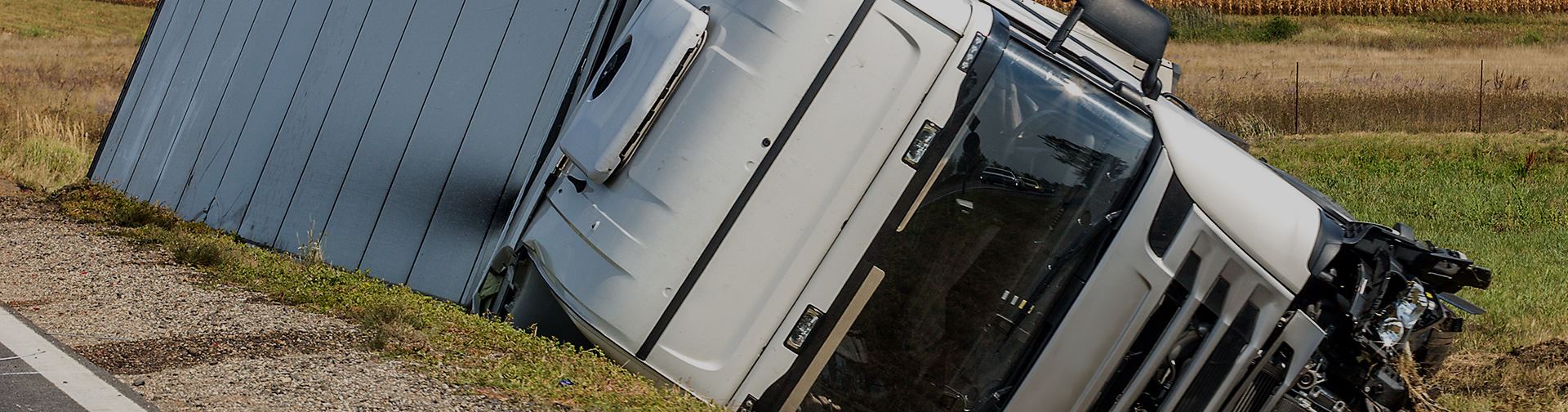
When a driver loses control because of speeding, hydroplaning, a sharp turn, shifting cargo, or another factor, the truck can tip onto its side or roof. Investigating a rollover may require examining driver conduct, cargo securement, vehicle condition, and roadway evidence.
T-Bone Accidents
T-bone accidents occur when one vehicle collides with the side of another and are common at intersections. Relevant issues may include traffic-signal compliance, visibility, speed, distraction, and whether the truck driver had sufficient time and distance to stop.
Underride Accidents
An underride accident occurs when a smaller vehicle becomes lodged beneath a truck or trailer. These collisions can cause severe or fatal injuries, but the legal significance depends on the circumstances of the crash, vehicle condition, and available evidence.
Catastrophic Injuries & Long-Term Care Needs
Catastrophic injuries are life-altering conditions that can cause permanent or long-lasting limitations and require substantial continuing care. They may affect a person’s ability to work, change careers, move independently, communicate, or complete everyday activities.
Examples include brain and head injuries, spinal cord damage, paralysis, amputations, and severe burns. Paralysis may require mobility equipment and assistance at home. Some brain injuries can result in reduced cognitive function, memory difficulties, behavioral changes, or personality changes.
In addition to emergency treatment, an injured person may require surgery, extensive rehabilitation, physical therapy, at-home nursing care, wheelchairs, lifts, prosthetic devices, or other equipment. Evaluating a catastrophic-injury claim requires attention to current treatment, projected medical care, employment effects, reduced earning capacity, functional limitations, and the effect on quality of life.
Who May Be Liable for a Truck Accident?
A commercial truck accident may involve more than one responsible party. As your personal injury lawyer, we examine the conduct that caused the crash, the relationships among the involved businesses, applicable law, and the available evidence.
A driver may be responsible for speeding, distraction, impairment, fatigue, an unsafe maneuver, or another negligent act. A trucking company may also face liability based on its own conduct or, in some circumstances, vicarious liability, which generally means legal responsibility for an employee’s actions performed within the scope of employment.
Potentially responsible parties can include:
- Truck Drivers: A driver may be responsible when negligent operation of the commercial motor vehicle contributes to the collision.
- Trucking Companies: A company’s hiring, training, supervision, dispatch practices, inspections, maintenance, or regulatory compliance may be relevant.
- Maintenance Providers: A contractor may bear responsibility if inadequate inspection or repair work contributes to a mechanical failure.
- Manufacturers: A defective brake, tire, steering component, or other part may support a product liability claim when the evidence and law permit it.
- Cargo Loaders: A loading company may be responsible when an unbalanced load, improper loading, or inadequate cargo securement contributes to a rollover, spill, or collision.
Our investigation may include police reports, photographs, witness statements, driver qualification materials, dispatch records, inspection and maintenance documents, cargo-loading records, and available vehicle data. Depending on the truck and circumstances, relevant electronic evidence may include hours-of-service records, an electronic logging device used to record driving time, or an event data recorder that captures certain vehicle information.
Federal Motor Carrier Safety Administration rules address subjects such as driving hours, electronic logs, vehicle maintenance, and cargo securement for covered commercial operations. Which rules apply depends on the carrier, vehicle, cargo, route, and other facts, so a regulatory violation shouldn’t be assumed without reviewing the evidence.
Handling Insurance Claims & Settlement Offers
A commercial truck insurance claim involves more than submitting medical bills and a collision report. Insurers may examine liability, vehicle damage, medical documentation, lost income, prior health history, future treatment, and competing accounts of how the crash happened. A quick settlement offer may not account for injuries that require continuing treatment or create lasting limitations.
At Action Law Group, we handle communications with insurers and present documented losses on our clients’ behalf. We evaluate an offer against available evidence, medical needs, employment effects, property damage, and other recoverable losses rather than considering the initial dollar amount in isolation.
Damages Available in a Truck Accident Claim
The damages available depend on the injuries, financial losses, supporting evidence, and applicable Connecticut law.
Potential categories of recovery include:
- Medical Expenses: Compensation for current and future medical bills related to injuries sustained in the accident, including hospital stays, surgeries, medications, physical therapy, and necessary medical equipment.
- Lost Wages: Reimbursement for income lost due to the inability to work during the recovery period. This may also include reduced future earning capacity when injuries create long-term or permanent work limitations.
- Pain and Suffering: Monetary compensation for physical pain and emotional distress resulting from the accident and injuries.
- Property Damage: Reimbursement for repair or replacement costs involving the vehicle and other personal property damaged in the accident.
- Loss of Consortium: Compensation that may be available for the loss of companionship, support, and intimacy caused by the injuries.
- Punitive Damages: Additional damages that may be considered only when the evidence satisfies the applicable legal standard. They aren’t available in every truck accident claim.
When a commercial truck collision causes a death, eligible family members or representatives may be able to pursue a wrongful death claim. The available damages and proper claimant depend on the circumstances and Connecticut law.
Connecticut’s Deadline for Truck Accident Claims
Connecticut General Statutes Section 52-584 generally requires a negligence action to be filed within two years from when the injury is first sustained, discovered, or reasonably should have been discovered. The statute also includes a three-year outer limit measured from the act or omission complained of.
The applicable Connecticut statute of limitations can vary based on the type of claim, identity of the defendant, discovery facts, governmental involvement, and other exceptions or notice requirements. Missing the controlling deadline may prevent a claim from proceeding, so it’s important to obtain case-specific guidance promptly rather than rely only on a general timeline.
Truck Accident Settlements & Trials
Many truck accident claims settle out of court, but some proceed to trial. Whether a claim settles may depend on the parties’ willingness to agree on a fair resolution, the strength of the liability and damages evidence, disputed defenses, and the complexity of the case.
We prepare cases for court when negotiations don’t produce a fair resolution. Trial preparation may involve pleadings, discovery, depositions, medical evidence, accident reconstruction, qualified testimony, and a detailed presentation of damages. Whether a case settles or proceeds to trial ultimately depends on its facts and procedural developments.
If you were injured or lost a loved one in a truck accident, we can investigate the collision, handle insurance communications, and explain the available legal options. Our New Haven truck accident lawyers provide personalized attention and open communication while you focus on your health and family.
Call Action Law Group at (203) 800-3000 to schedule a free consultation with our New Haven truck accident attorneys.
-
$400 Thousand Car Accident
-
$310 Thousand Car Accident
-
$200 Thousand Car Accident
-
$25 Thousand Car Accident
-
$25 Thousand Car Accident

No Fee Unless We Win
A LONG TRACK RECORD OF SUCCESS
-
$600 Thousand Dog Bite
-
$400 Thousand Car Accident
-
$350 Thousand Dog Bite
-
$310 Thousand Car Accident
-
$200 Thousand Car Accident